
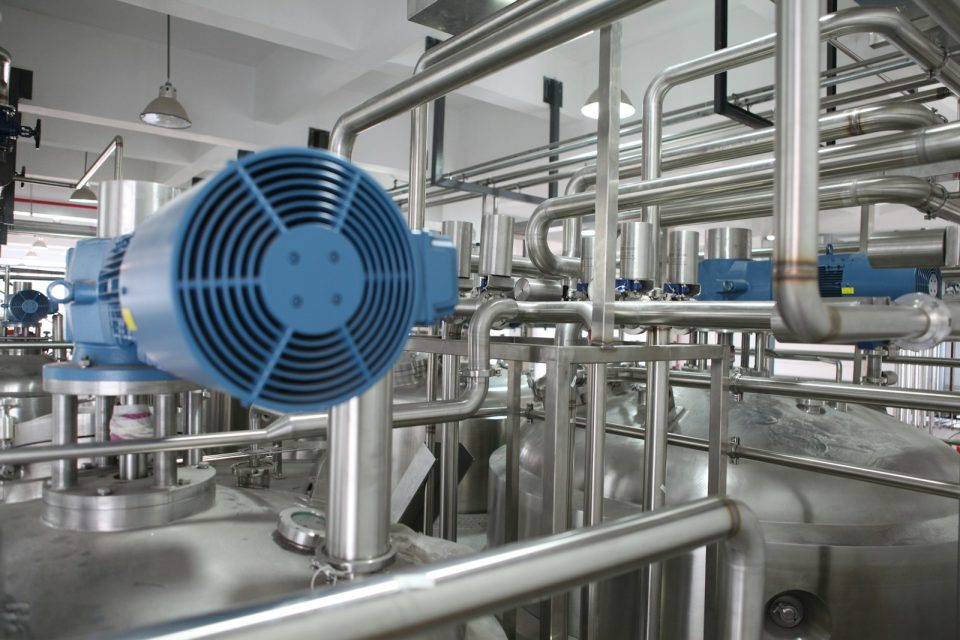
Industrial facilities operate under demanding conditions where equipment reliability directly impacts productivity and profitability. Maintaining industrial equipment performance through proper sealing solutions represents one of the most critical yet often overlooked aspects of facility management. When sealing components fail, the consequences extend far beyond simple leaks. Production lines halt, safety risks emerge, and maintenance costs spiral upward. Understanding how to select, install, and maintain appropriate sealing solutions can mean the difference between smooth operations and costly downtime.
The hidden cost of sealing failures in industrial operations
Equipment failures caused by inadequate sealing solutions cost industries billions annually in lost production time and emergency repairs. A single failed seal in a chemical processing plant can shut down an entire production line for hours or even days. The financial impact includes not only the replacement parts but also labor costs, lost production capacity, and potential environmental cleanup expenses. Studies indicate that unplanned downtime costs manufacturers an average of $260,000 per hour, with sealing failures accounting for approximately fifteen percent of these incidents. Beyond immediate financial losses, repeated sealing failures damage equipment integrity over time, requiring premature replacement of expensive machinery. The question becomes not whether you can afford proper sealing solutions, but whether you can afford the consequences of inadequate ones.
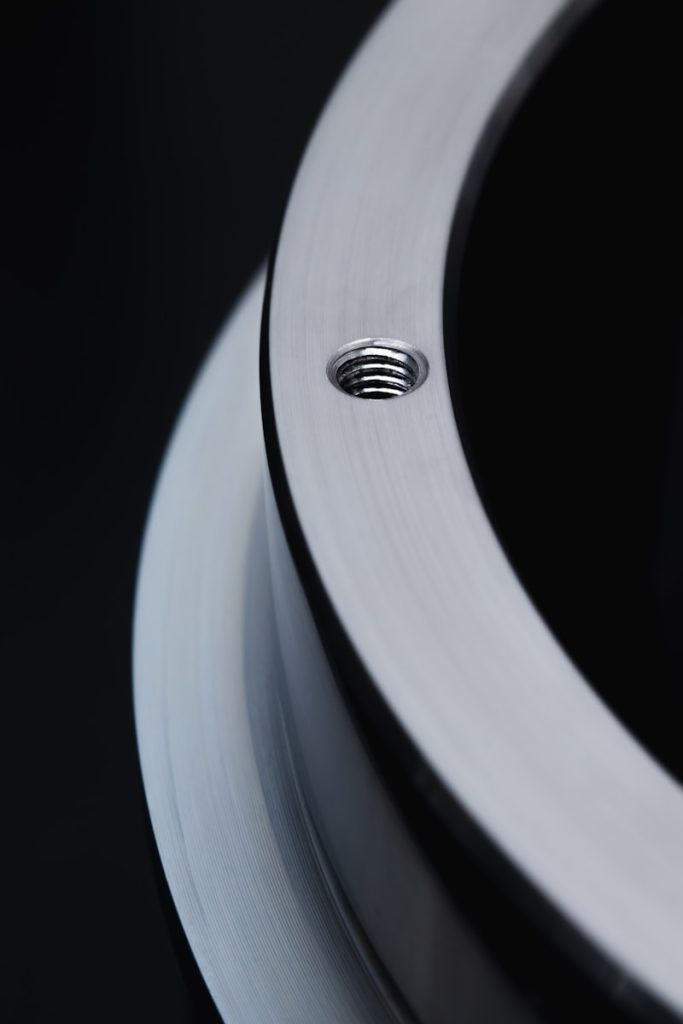
Understanding different sealing materials and their applications
Selecting the right sealing material requires careful consideration of operating conditions, chemical compatibility, temperature ranges, and pressure requirements. Gasket sheets provide versatile sealing solutions for flat-faced flanges and large surface areas where custom sizing is necessary. These sheets come in various materials including rubber, graphite, PTFE, and compressed fiber compositions, each suited to specific industrial applications. Temperature extremes present particular challenges for sealing integrity. Facilities operating high-temperature processes need materials that maintain their structural properties above 400 degrees Fahrenheit, while cryogenic applications demand materials that remain flexible at temperatures approaching absolute zero. Chemical compatibility testing should always precede material selection, as even minor incompatibilities can lead to rapid degradation. The wrong material selection might save money initially but will cost significantly more through frequent replacements and unexpected failures.
Advanced sealing technologies for challenging environments
Modern industrial processes often exceed the capabilities of traditional sealing materials, requiring advanced engineering solutions. Kammprofile gaskets combine a serrated metal core with soft sealing layers, creating a robust solution for high-pressure and high-temperature applications. These specialized gaskets excel in situations where thermal cycling causes standard gaskets to fail repeatedly. The metal core maintains structural integrity while the soft sealing layers accommodate surface irregularities and provide reliable sealing under dynamic conditions. Many refineries and petrochemical facilities have transitioned to kammprofile gaskets for critical applications, reporting significant reductions in maintenance frequency. The initial investment in premium sealing technology typically recovers itself within months through reduced downtime and extended service intervals. Facilities processing corrosive chemicals or operating under extreme pressures particularly benefit from engineered sealing solutions that standard gaskets simply cannot match.
Installation best practices that extend seal life
Even the highest quality sealing materials will fail prematurely without proper installation procedures. Flange surface preparation represents the foundation of successful sealing, requiring surfaces free from scratches, corrosion, warping, or previous gasket material residue. Surface finish measurements should fall within specified roughness parameters, typically between 125 and 250 microinches for most industrial applications. Bolt tightening sequences matter enormously, with star patterns preventing uneven compression that creates leak paths. Torque specifications must be followed precisely, as over-tightening can crush gasket material while under-tightening leaves gaps for fluid escape. Many facilities now employ calibrated torque wrenches and document tightening procedures for critical connections. Training maintenance personnel on proper installation techniques yields returns far exceeding the time investment, as a single correctly installed seal outlasts multiple improperly installed replacements.
Preventive maintenance strategies for sealing systems
Proactive monitoring of sealing systems identifies potential failures before they cause operational disruptions. Regular visual inspections should check for signs of leakage, staining, corrosion, or physical damage around sealed connections. Thermal imaging cameras detect temperature anomalies indicating seal degradation or bypass flow. Ultrasonic leak detection equipment identifies gas leaks imperceptible to human senses, enabling repairs during planned maintenance windows rather than emergency shutdowns. Documentation systems tracking seal installation dates, materials used, and operating conditions help predict replacement intervals and identify problematic applications. Facilities implementing comprehensive sealing system maintenance programs report thirty to forty percent reductions in unplanned downtime. The data collected through systematic monitoring also informs better material selection for future replacements, creating continuous improvement in sealing reliability.
Material compatibility and chemical resistance considerations
Chemical exposure remains the primary cause of premature seal failure in process industries. Gasket sheets must be carefully matched to the specific chemicals they will contact, considering not just the primary process fluid but also cleaning agents, steam, and atmospheric exposure. Petroleum products attack natural rubber while leaving fluoroelastomers unaffected. Strong acids rapidly degrade calcium carbonate filled materials but have minimal impact on PTFE compounds. Compatibility charts provide essential guidance, yet real-world conditions often involve chemical mixtures, temperature variations, and concentration fluctuations that complicate material selection. When uncertainty exists, sample testing under actual operating conditions provides invaluable data for making informed decisions. Many suppliers offer compatibility testing services that expose candidate materials to your specific process conditions before full-scale implementation.
Quality standards and certification requirements
Industrial sealing products should meet recognized quality standards ensuring consistent performance and reliability. The American Society of Mechanical Engineers publishes standards for gasket sheet materials and testing procedures widely adopted across industries. Fire safety standards become critical in refineries and chemical plants where seal failures could release flammable materials. FDA compliance is mandatory for sealing solutions used in food processing and pharmaceutical manufacturing. Third-party certifications provide verification that materials meet claimed specifications, protecting facilities from substandard products. Purchasing decisions based solely on lowest cost often result in non-compliant materials that fail prematurely or create regulatory violations. Reputable suppliers provide complete material certifications and traceability documentation supporting quality assurance programs. How confident are you that your current sealing materials meet all applicable standards for your specific applications?
Economic impact of proper sealing solutions
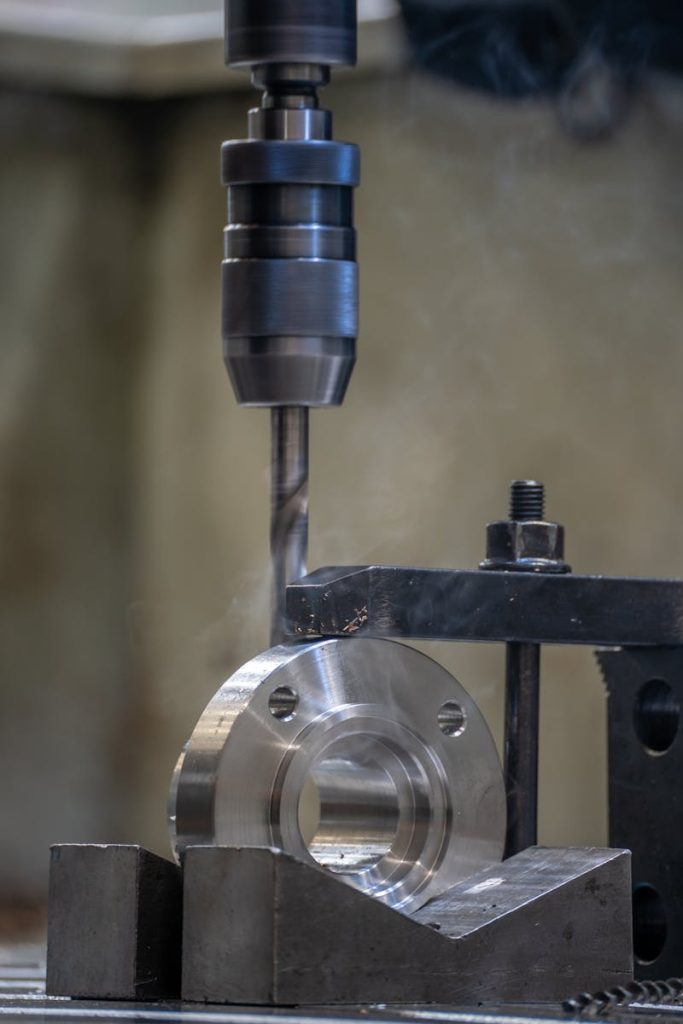
Investing in appropriate sealing solutions delivers measurable returns through multiple channels. Direct cost savings come from extended service intervals reducing material and labor expenses for replacements. Energy efficiency improves when seals prevent fluid bypass and maintain system pressures within design parameters. Environmental compliance benefits from eliminating fugitive emissions that trigger regulatory penalties and reporting requirements. Equipment longevity increases when proper sealing prevents contamination and maintains optimal operating conditions. Insurance costs may decrease as facilities demonstrate robust maintenance programs reducing risk exposure. Calculating total cost of ownership rather than initial purchase price reveals the true economic value of quality sealing solutions. Facilities that have implemented comprehensive sealing programs consistently report return on investment within twelve to eighteen months, with continuing benefits throughout equipment lifecycles. Maintaining industrial equipment performance through proper sealing solutions ultimately strengthens competitive position through improved reliability and reduced operating costs.
The path forward requires assessing current sealing practices against industry best practices and identifying improvement opportunities. Systematic evaluation of failure patterns, material selections, and installation procedures reveals where targeted improvements yield greatest returns. Partnering with knowledgeable suppliers who understand your specific applications provides access to technical expertise supporting better decisions. Maintaining industrial equipment performance through proper sealing solutions demands ongoing attention, but the operational and financial benefits make it one of the most valuable investments any industrial facility can make.