
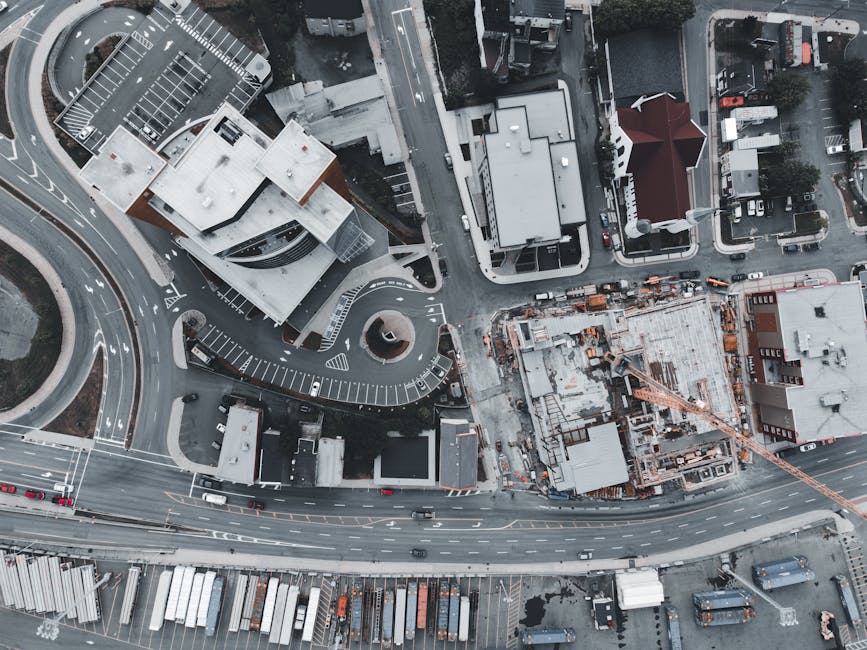
When you walk through a modern city, you see towering skyscrapers, bustling transportation networks, and gleaming infrastructure. But beneath this visible spectacle lies a complex web of systems that truly define “The Unseen Foundations of a Resilient Modern City.” These hidden components work tirelessly to ensure water flows, energy transmits, and industrial processes continue without interruption. The resilience of any urban center depends not on what catches the eye, but on what remains concealed within pipes, joints, and mechanical assemblies that most citizens never consider. Understanding these foundations reveals how cities withstand extreme weather, aging infrastructure, and the constant demands of millions of residents.
The backbone of urban resilience starts with sealed systems that prevent leaks, contamination, and catastrophic failures. Every pipe junction, every pressure vessel, and every critical connection requires materials that can withstand decades of thermal expansion, chemical exposure, and mechanical stress. Cities like Tokyo and Singapore invest heavily in sealing technologies that protect their water distribution networks from contamination. These systems rely on specialized materials engineered to create perfect barriers between different pressures and temperatures. A single compromised seal in a chemical plant or power station can cascade into citywide disruptions affecting hundreds of thousands of people within hours.
Materials science meets urban planning
The selection of sealing materials represents a critical decision point in urban infrastructure design. Engineers must account for temperature ranges spanning from subzero winter conditions to summer heat exceeding forty degrees Celsius. They must also consider chemical compatibility with everything from potable water to industrial solvents. Gasket sheets form the foundation of countless sealing applications throughout modern cities, from municipal water treatment facilities to district heating systems. These compressed fiber materials create reliable barriers in flanged pipe connections that crisscross beneath city streets. The choice between different gasket sheet compositions can determine whether a system operates reliably for five years or fifty years.
Municipal water systems alone contain thousands of flanged connections requiring dependable sealing solutions. Each connection point represents a potential failure mode that could contaminate drinking water or waste millions of liters through leakage. Cities like Amsterdam and Copenhagen have systematically upgraded their aging infrastructure using modern sealing technologies that reduce water loss by up to thirty percent. The economic impact extends beyond water conservation into reduced energy consumption for pumping and treatment. When sealing systems fail in critical applications, emergency repairs can cost cities upward of fifty thousand dollars per incident, not counting the economic disruption to businesses and residents affected by service interruptions.
Advanced sealing technologies for extreme conditions
Some urban infrastructure operates under conditions that push conventional materials to their limits. Power generation facilities, chemical processing plants within industrial zones, and high-pressure steam distribution networks all require sealing solutions capable of extreme performance. Kammprofile gaskets represent an evolution in sealing technology that addresses these demanding applications through engineered metal core designs. These specialized components combine a serrated metal core with soft sealing layers to achieve leak-tight performance even under high pressures and temperature cycling. The metal core provides structural stability while the soft layers conform to flange surface imperfections that would otherwise create leak paths.
Cities with extensive district heating systems, such as Stockholm and Helsinki, depend on kammprofile gaskets throughout their networks. These systems deliver pressurized hot water across distances of dozens of kilometers, with temperatures often exceeding one hundred fifty degrees Celsius. The thermal cycling as systems heat up and cool down creates extraordinary mechanical stress on every sealed joint. Traditional sealing materials often fail within months under these conditions, but engineered solutions can maintain integrity for decades. The resilience of these heating networks directly impacts urban livability during harsh winters when system failures could leave thousands of residents without heat during critical periods.
The role of specialized materials in industrial zones
Industrial districts within modern cities present unique sealing challenges that require materials with exceptional chemical resistance and thermal stability. Refineries, pharmaceutical manufacturing facilities, and chemical plants all operate equipment with aggressive process media that would quickly degrade conventional sealing materials. The graphite gasket sheet has become a standard solution for high-temperature applications where both chemical resistance and thermal conductivity matter. Pure graphite materials can withstand temperatures approaching five hundred degrees Celsius while maintaining their sealing properties. This temperature capability makes them essential for applications in power generation turbines, high-pressure steam systems, and certain chemical processing equipment.
The flexibility of graphite gasket sheet material allows it to conform to flange surfaces while maintaining resilience under compression. This characteristic proves critical in applications where thermal expansion causes differential movement between flanged components. A poorly chosen sealing material in a high-temperature application can harden, crack, or decompose, releasing the sealed media into the environment. Industrial accidents resulting from seal failures have caused evacuations affecting tens of thousands of residents in cities worldwide. The selection of appropriate sealing materials represents not just an engineering decision but a public safety imperative that protects surrounding residential areas from industrial hazards.
Infrastructure redundancy and emergency preparedness
The concept of “The Unseen Foundations of a Resilient Modern City” extends beyond individual components to system-level design philosophy. Resilient cities build redundancy into critical infrastructure so single-point failures cannot cascade into widespread disruptions. Water distribution systems include isolated zones that can be shut down for repairs without affecting entire districts. Power grids incorporate multiple interconnected pathways that reroute electricity around damaged sections. Each of these redundant systems still depends on thousands of individual sealing points functioning correctly to maintain pressure boundaries and prevent cross-contamination between different media.
Emergency preparedness planning increasingly recognizes the importance of stockpiling critical infrastructure components. Cities prone to earthquakes maintain inventories of replacement sealing materials, pipe sections, and connection hardware that enable rapid repairs after seismic events. Tokyo’s emergency response system includes pre-positioned repair materials at strategic locations throughout the metropolitan area, allowing repair crews to respond within hours rather than days. This preparation proved invaluable during recent earthquakes when quick restoration of water and gas services prevented secondary disasters. The economic value of this preparedness approach far exceeds the storage costs, with estimates suggesting every dollar invested in preparation saves seven dollars in emergency response and recovery costs.
Sustainable infrastructure and long-term thinking
Modern urban resilience increasingly incorporates sustainability principles that reduce environmental impact while maintaining service reliability. The choice of sealing materials affects not only immediate performance but also long-term maintenance requirements and waste generation. Gasket sheets manufactured from sustainable materials with extended service lives reduce the frequency of maintenance interventions and the volume of industrial waste sent to landfills. Some cities now specify minimum expected service lives for sealing materials used in municipal infrastructure, creating market incentives for manufacturers to develop more durable solutions.
The transition to renewable energy sources presents new sealing challenges as cities build out hydrogen production facilities, biogas processing plants, and geothermal energy systems. Hydrogen’s small molecular size makes it notoriously difficult to contain, requiring sealing materials specifically engineered for this demanding application. Cities investing in green hydrogen infrastructure must specify sealing solutions capable of maintaining integrity with this challenging media. The success or failure of these emerging energy systems often comes down to seemingly mundane components like seals and gaskets that prevent leaks and maintain process efficiency.
Monitoring and maintenance of unseeable systems
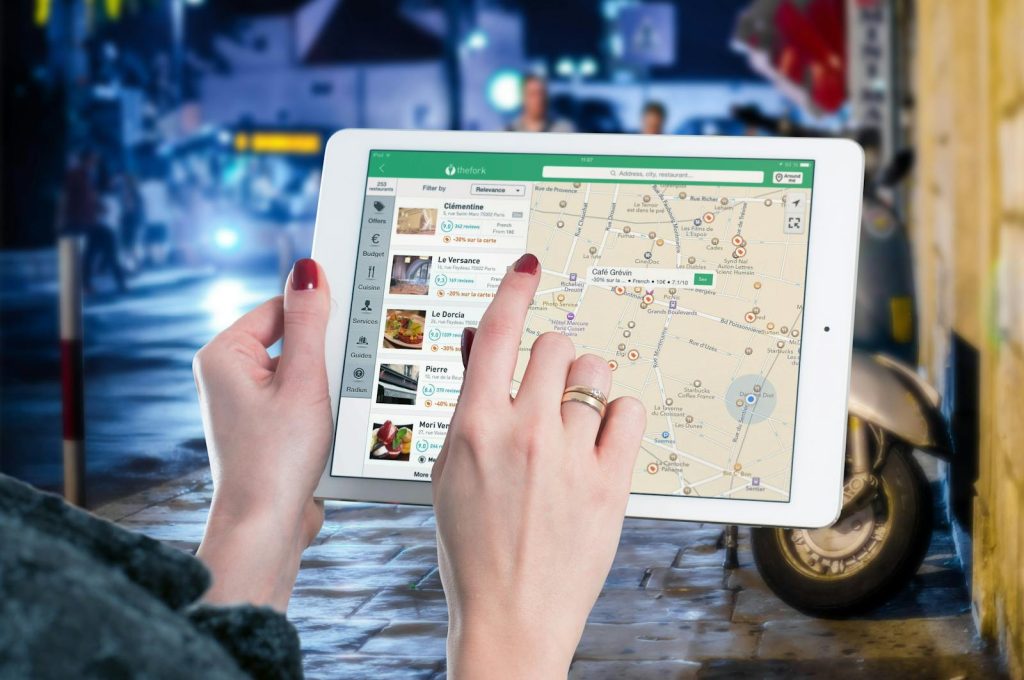
How can cities effectively maintain infrastructure components they cannot easily inspect? This question drives innovation in monitoring technologies that detect potential failures before they become emergencies. Sensors embedded in critical infrastructure now monitor pressure, temperature, vibration, and even acoustic signatures that indicate developing problems. Advanced cities deploy these monitoring systems throughout water distribution networks, allowing operators to identify leaks or pressure anomalies in real-time. This proactive approach reduces water loss, prevents contamination events, and optimizes maintenance scheduling to minimize service disruptions.
The integration of monitoring data with predictive maintenance algorithms represents the next evolution in urban infrastructure management. Machine learning systems analyze patterns across thousands of sensors to predict component failures weeks or months in advance. Singapore’s smart nation initiative includes comprehensive infrastructure monitoring that has reduced unexpected system failures by over forty percent since implementation. The economic benefits include not only avoided emergency repairs but also optimized maintenance crew scheduling and reduced inventory costs for replacement parts. This data-driven approach to infrastructure management exemplifies how “The Unseen Foundations of a Resilient Modern City” increasingly depend on digital intelligence layered atop physical systems.
The true measure of urban resilience emerges not during normal operations but during extreme events that stress systems beyond design parameters. Cities that invest in robust unseeable infrastructure weather storms, floods, and other disasters with minimal disruption. The components that seal critical connections, prevent contamination, and maintain pressure boundaries represent the silent guardians of urban life, working continuously without recognition until the moment they prevent disaster.